


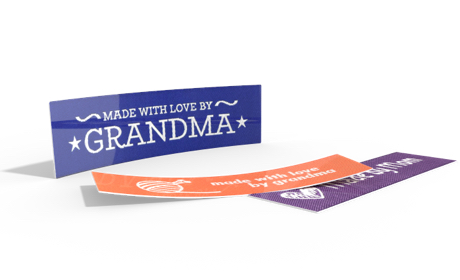


How you present your products influences your customers’ first impression. It’s not just the product itself that matters. Product photos, logos, colors, labels and packaging all contribute to how professional and cohesive your overall presentation looks.
Good product presentation also helps customers quickly find important information and recognize your brand. This is particularly useful for handmade brands, small businesses and fashion labels, where it’s worth making sure the different elements work well together.
The right design also depends on your brand and target audience. A minimalist fashion brand, for example, needs a different look from a playful label for children’s clothing.
With the following seven tips, you can present your products professionally and gradually develop a consistent brand identity.
1. Make your brand visible on the product
Your logo creates a direct connection between your product and your brand. That’s why it shouldn’t only appear on your website or social media channels.
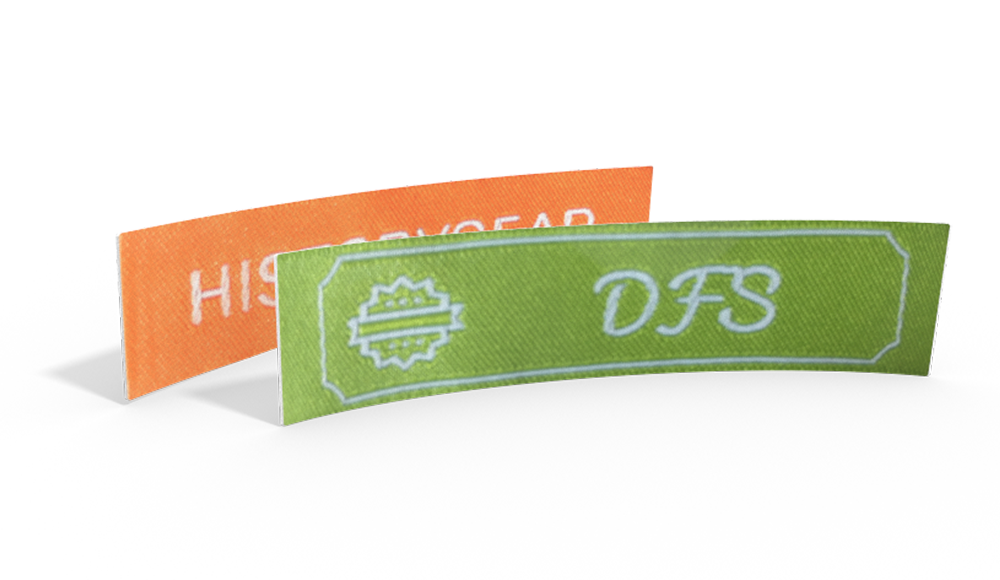
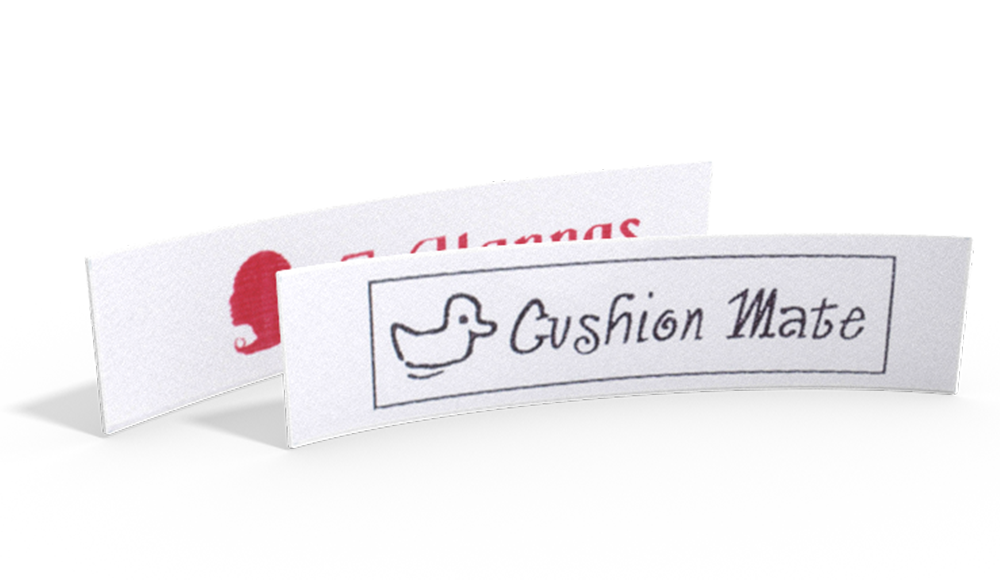
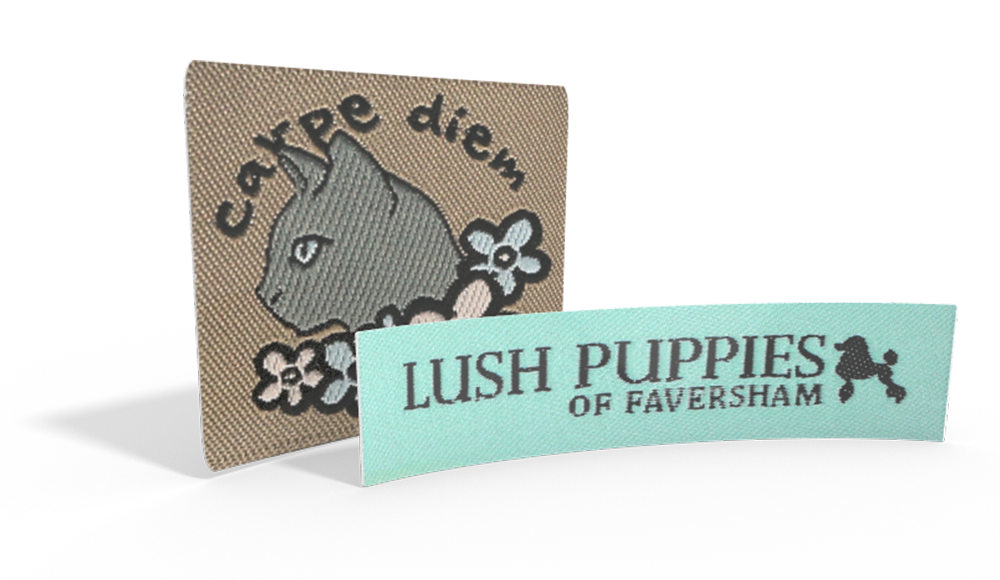
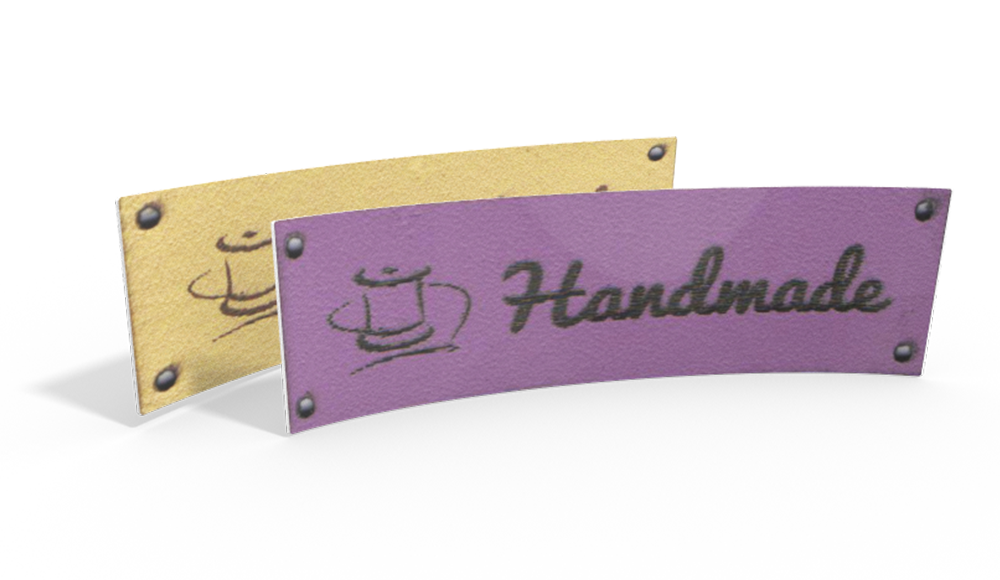
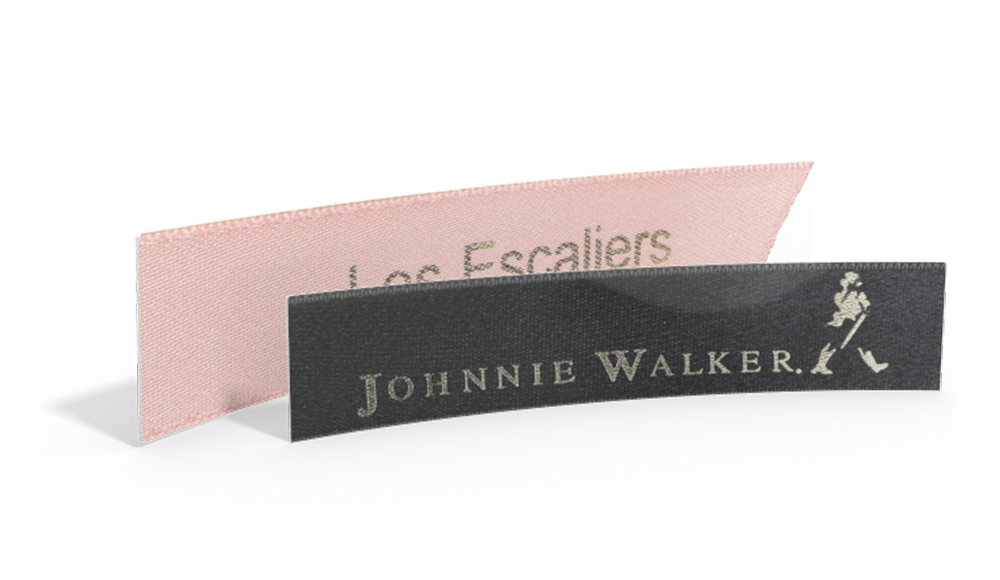
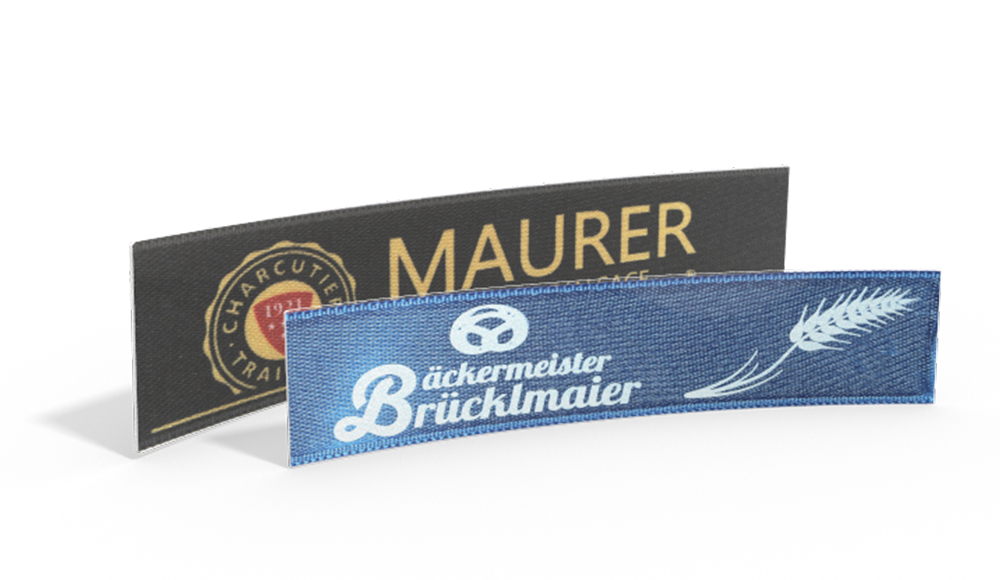
For clothing, accessories and other textiles, for example, you can place your logo directly on the product with a personalized clothing label with logo. This means your brand remains visible even after your customer has thrown away the packaging.
Think carefully about where you place the label. A logo in the neck seam is visible when the garment is being looked at or worn. A label sewn into the side seam creates a more subtle look. An externally attached label, on the other hand, becomes a visible part of the design.
Size is also important. A very small label leaves little room for fine details or long lettering.
Tip: Before placing your order, check how your logo looks at the final label size. Check that lettering, lines and symbols are still easy to recognize.
Product idea → Woven labels with logo
2. Match the materials to your product
The material of a label affects both how your product looks and how it feels. The material should therefore suit the style and intended use of the product.
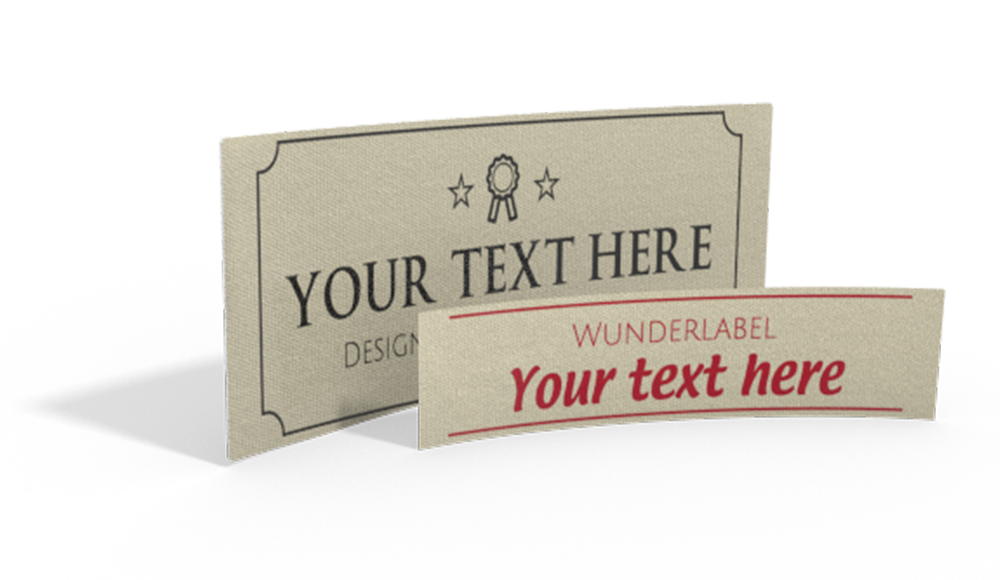
A smooth satin label, for example, creates a different impression from a label with a natural cotton look. A smooth surface can work well with a simple garment, while a cotton look may be more suitable for a handmade product with a natural feel.
Also consider where the label will be placed. A label in the neck area comes directly into contact with the skin, so how it feels is more important than it would be for a brand label attached to the outside of a product.
Before choosing a label, ask yourself three questions: How should it feel? Which look suits the product? Where will the label be attached?
This way, the label becomes part of your product presentation rather than looking like an afterthought.
3. Present product information clearly and concisely
If you want to present your products professionally, you shouldn’t focus only on their appearance. Customers should also be able to find important information quickly.
For clothing and textiles, the following information is particularly relevant:
- Size
- Material composition
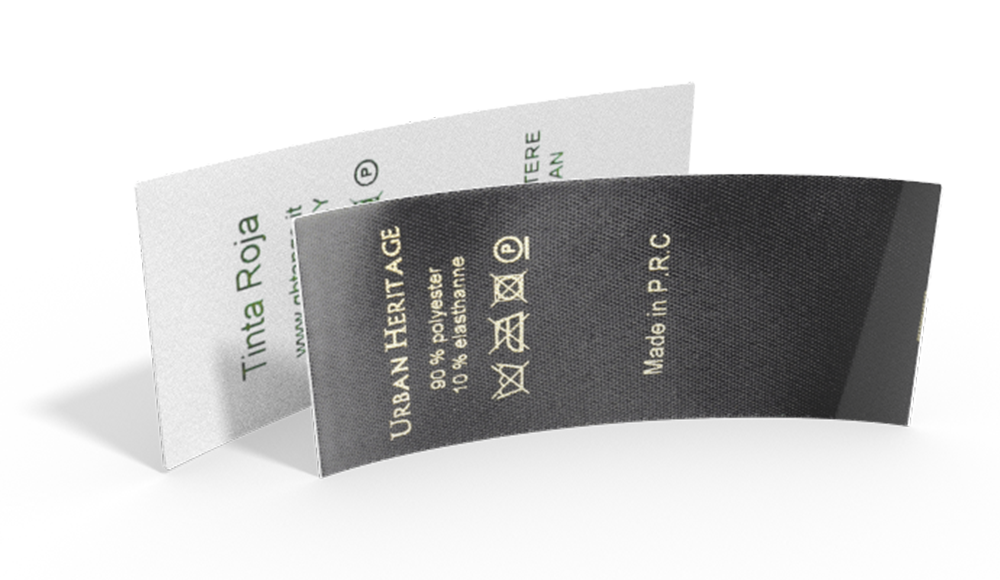
- Care instructions and laundry care symbols
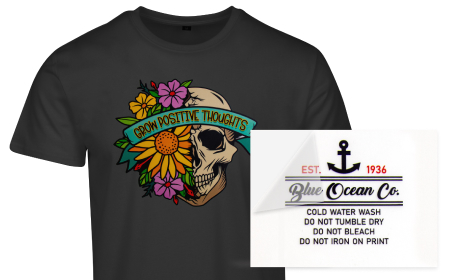
A laundry label provides space for material information and care instructions. A size label, on the other hand, shows the garment size at a glance. Consistent size labeling also makes it easier to keep track of products when storing and selling them.
Try not to fit too much information onto a small label. This can make it difficult to read. Instead, organize the information sensibly: your logo identifies your brand, while care and size labels provide practicalproductinformation.
This gives each label a clear purpose and helps your customers find the information they need more quickly.
Product ideas → Laundry labels and size labels
4. Use hang tags for additional information
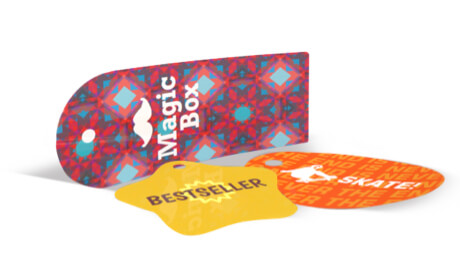
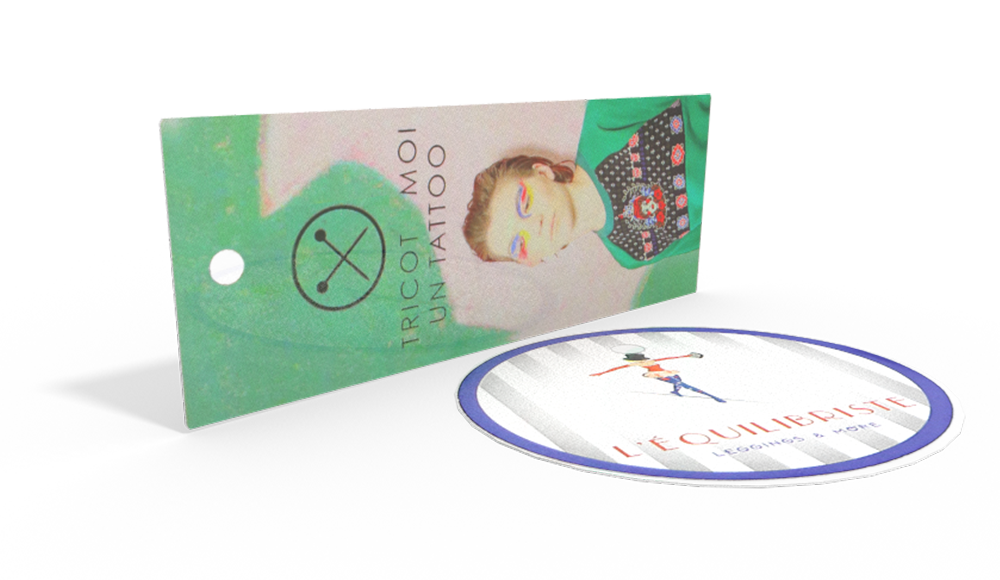
Not all information needs to remain permanently attached to the product. Hangtags provide more space and are ideal for content that won’t fit on a small label.
Depending on the product, you could use them to display:
- Your logo and product name
- Material information or special features
- Care and usage instructions
- A short brand message
- A QR code linking to additional content
Make good use of both sides. For example, place your logo or product name on the front. The back is ideal for details that don’t need to be the first thing customers see.
A QR code provides additional space without overloading the hang tag with text. Link it to a page that offers your customer something useful. This could be a care guide, product page or other relevant information.
This keeps the product presentation clear while giving the hang tag space for anything else your customers may need to know.
Product idea → Hang tags
5. Present your products with consistent photography
When customers shop online, they experience your product through images first. Good product photography is therefore an important part of professional product presentation.
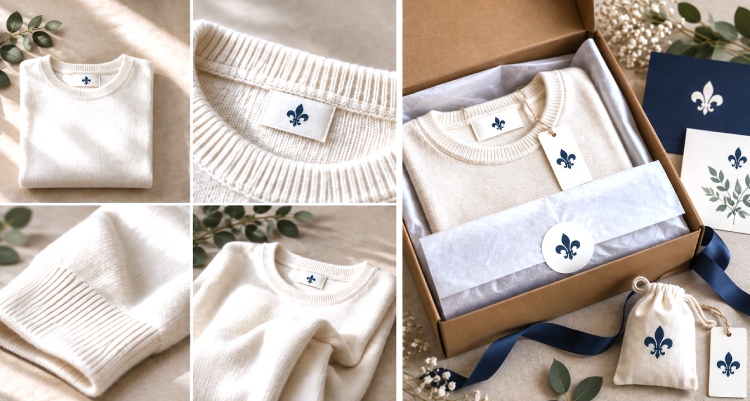
- Photograph products from the same collection under similar conditions. Use comparable backgrounds, lighting and perspectives wherever possible. This makes your range look cohesive even in the shop overview.
- A simple background keeps the focus on the product. Soft lighting helps show colors, surfaces and textures clearly.
- Show several different perspectives. A full product shot conveys its shape and proportions, while close-ups highlight materials, craftsmanship and special features.
- Your logo label or another distinctive product detail can also have its own close-up. This allows customers to see details that may be difficult to make out in a full product shot.
- Use decoration sparingly. Props can support your brand’s style, but they shouldn’t distract from the actual product.
Tip: Set a few simple rules for your product photography. Decide on a background, lighting style, typical perspectives and a small number of recurring colors. This will make it easier to maintain the same style when adding new products.
Think about your sales channels, too. In an online shop, clear product views and close-up details are particularly important. On Instagram and other social media channels, you can also show short videos, products in use or behind-the-scenes glimpses of how they are made. Keep your visual style consistent so that your brand remains recognizable across different channels.
6. Use colors and design to make your brand recognizable
A consistent visual style makes your brand easier to recognize. Choose a few design elements that you can use repeatedly across your products and other brand materials.
Focus on a few key elements:
- Colors: Choose two or three main colors that suit your brand.
- Fonts: Use a consistent selection and make sure they are easy to read.
- Graphic elements: Recurring shapes, patterns or symbols can reinforce your brand style.
- Contrast: Your logo and important information should stand out clearly from the background.
Not everything needs to look identical. What matters is that your chosen elements are repeated and create a cohesive overall look. Your logo doesn’t need to appear on every single element, either.
Tip: Keep your colors, fonts and logo guidelines in a simple style guide. This gives you clear guidance when designing new labels, hang tags, product photos or other materials.
7. Continue your brand identity through your packaging
The presentation doesn’t end with the product itself. Especially when customers order online, the unboxing experience also influences how they perceive their order.
You don’t need elaborate packaging. A few carefully chosen details are enough to create a consistent look from your product to its packaging.
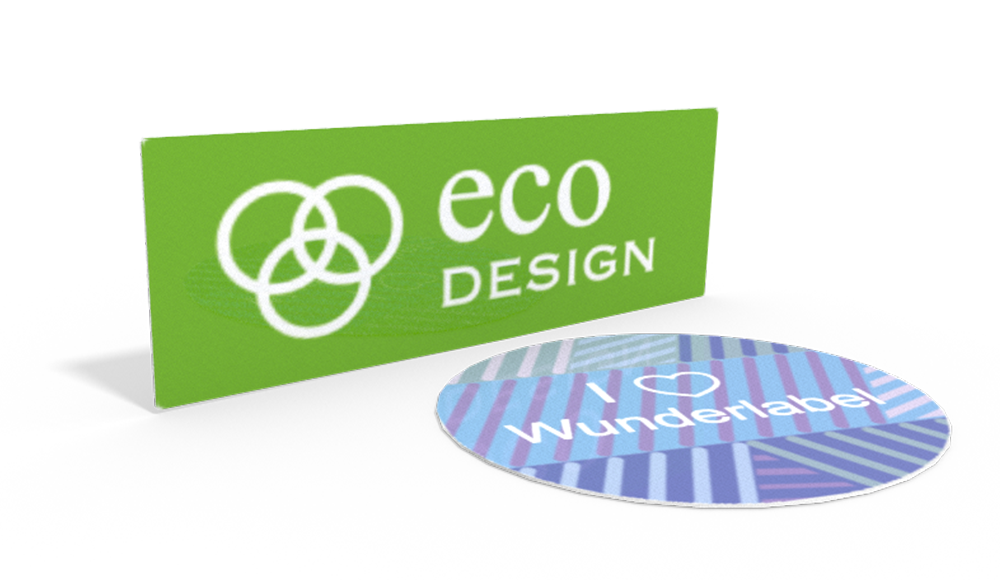
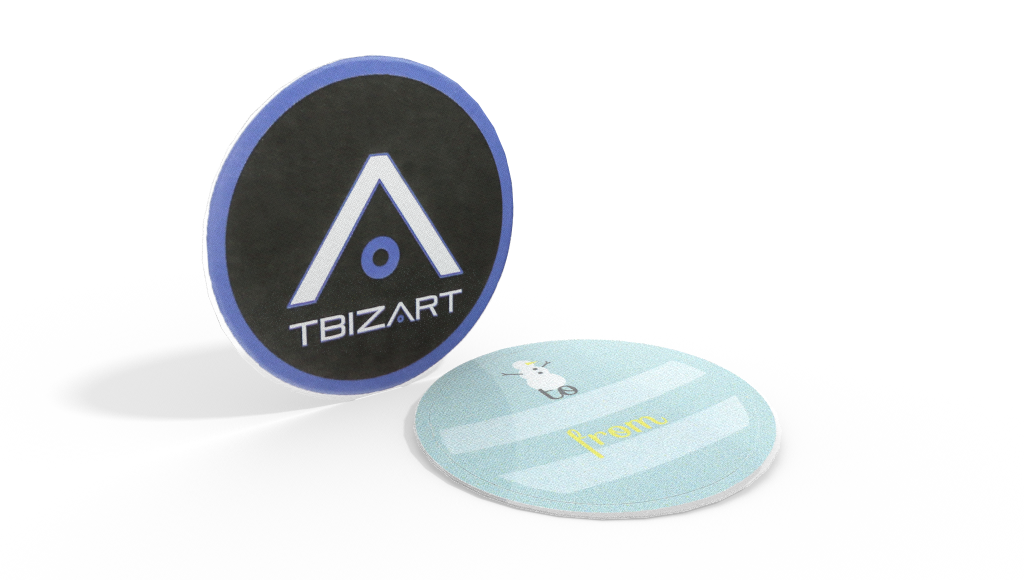
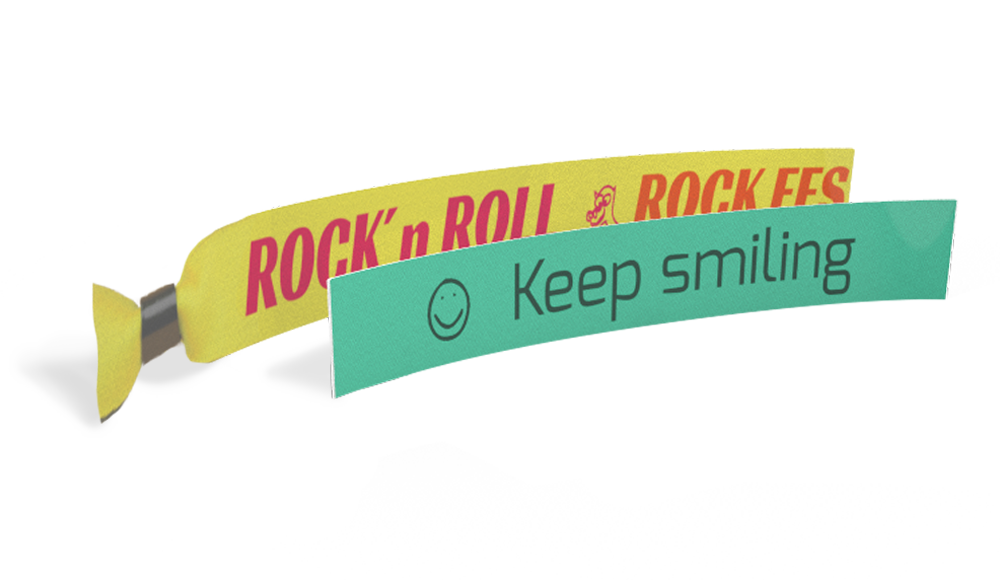
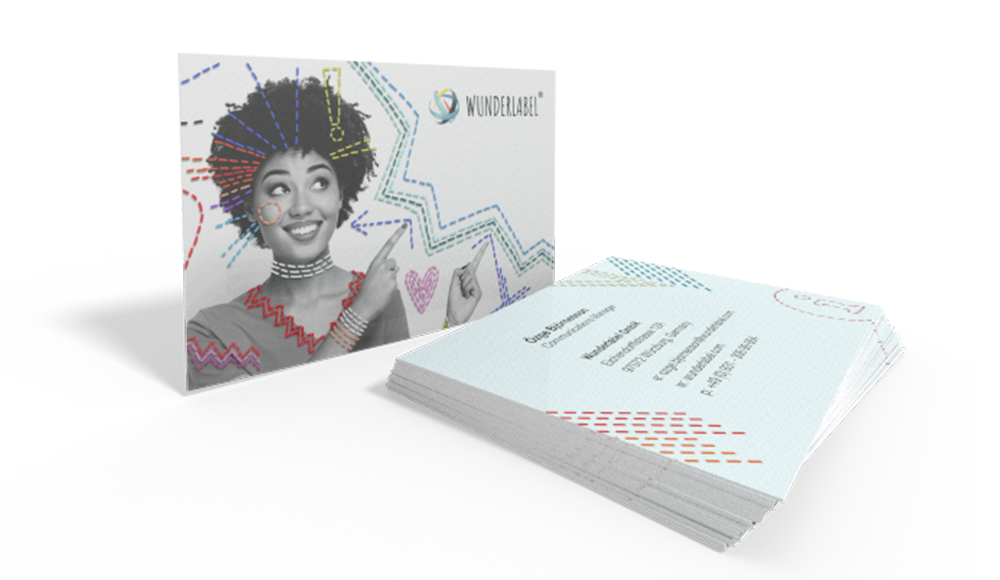
For example, you could seal tissue paper with a personalizedsticker. A business card or insert card provides space for contact details, social media channels or a QR code. Personalised ribbon can add the finishing touch to gift packaging.
Use the visual style from tip 6 here, too. This creates a recognizable connection between the product and its packaging without having to repeat every design element.
Also consider the purpose of each element. A sticker can seal packaging. A card can provide additional information. Ribbon can emphasize the gift-giving aspect.
This helps you avoid unnecessary decoration and ensures that your branded materials have a clear purpose.
Product ideas → Stickers, business cards and personalized ribbon
Professional product presentation: the overall look matters
When presenting your products, don’t focus on just one detail. A professional product presentation comes from the way different elements work together.
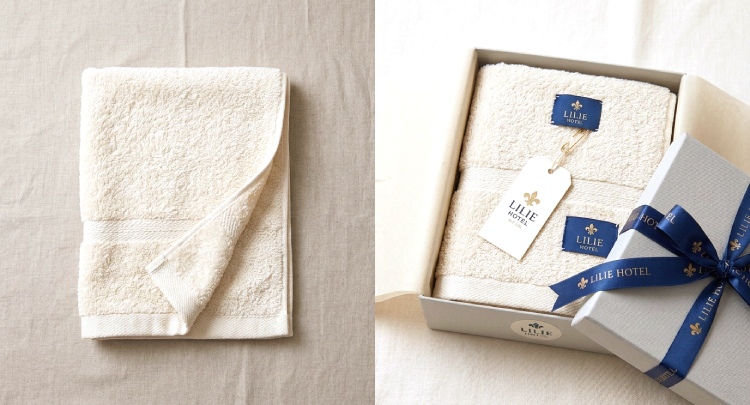
Start with the product itself. Make your brand visible and choose materials that suit the character of the product. Present care, size and other product information clearly. Use hang tags when you need additional space.
Then consider how your product looks in photographs. A clear visual style ensures that individual products can still be recognized as part of the same brand. For online orders, you can continue this look through suitable packaging.
You don’t have to implement all seven tips at once. Start with the parts of your product presentation that your customers see most often. Then gradually improve the areas that don’t yet fit the brand identity you want to create.
This allows you to present your products professionally without having to reinvent every detail. A clear style and carefully chosen brand elements help your product, information and packaging feel like part of the same overall experience.
If you need some inspiration and ideas on how to elevate your brand, we suggest you have a look at our blog post "Wunderlabel Customer Spotlight" showcasing some of our customers' product presentation.
At Wunderlabel, you can design personalized logo labels, laundry and size labels, hang tags, stickers, business cards and personalized ribbon. Choose the elements that suit your product and use them to create a cohesive product presentation.
FAQ
What are the golden rules for good product presentation?
Regardless of the sales channel, a few basic rules can help: know your target audience, keep the focus on the product, show its benefits, use high-quality images, present important information clearly and maintain a consistent visual style. Good readability, carefully chosen colors, a clean design and a recognizable brand identity are also important.
How can I create an appealing presentation for handmade products?
With handmade products, it’s worth highlighting what makes them special. Close-up photos can show materials, textures and handcrafted details. A personalized logo label or hang tag makes your brand directly recognisable on the product. At the same time, keep the overall presentation clean and uncluttered so that the handmade details remain the focus.
How can I showcase products effectively on Instagram and other social media channels?
Don’t just show traditional product photos. Include details, different ways of using the product and behind-the-scenes glimpses of how it is made. Use a recognizable visual style and adapt the format to the individual channel. Videos and short clips are particularly useful for showing materials, functions or products in use. Most importantly, make sure your content offers something useful rather than feeling like constant advertising.
Should I present my products in the same way across different sales channels?
Your brand identity should remain recognizable, but the way you present your products can vary. In an online shop, customers need clear product images and detailed information. On Instagram, short videos, close-ups and behind-the-scenes content may work better. At a market or in a shop, the physical product display, signage and packaging play a greater role.
Which mistakes should I avoid when presenting products?
Too many colors, inconsistent product photography and information that is difficult to read can make your overall presentation look cluttered. Also avoid overcrowded images and design elements that don’t serve a clear purpose. Another common mistake is a lack of consistency: if your product, photos, hang tags and packaging all look completely different, it becomes harder for customers to recognize your brand.


